Asking Better Questions in 2026
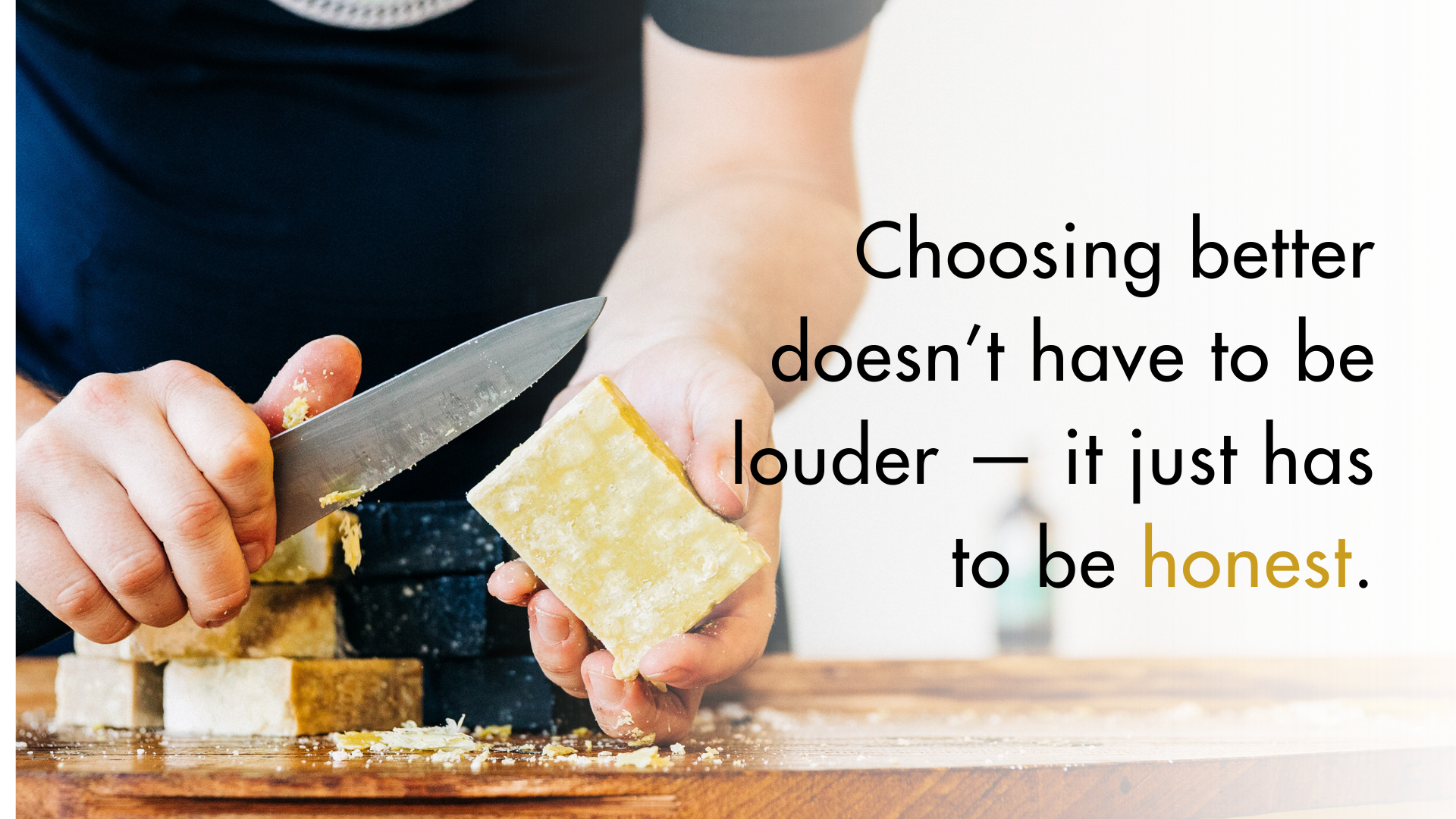
I’ve spent a lot of the week between Christmas and New Year in the factory.
Not behind a desk. Not staring at a screen. In the factory.
It’s been buzzing. The team packing orders for our Boxing Day sale. Boxes moving down benches. That quiet, focused hum that happens when people are doing real work together. And me — I’ve been making soap. Properly making it. Oils, blending, timing, patience. The kind of work that asks you to be present or get it wrong.
At one point someone put Cold Chisel on. Bow River. And that line came on —
“Wastin’ my days on a factory floor.”
It made me pause.
Because if that song were written today, I’m pretty sure the lyric wouldn’t be about a factory at all. It would be about an office. About sitting under fluorescent lights, looking at a computer screen for most of the day, moving between tabs and meetings, watching the hours pass in quieter, less tangible ways.
Working in a factory feels rare now. Making things feels rare. Touching the thing you’re responsible for — start to finish — feels rare. We live in a world of abstraction. Products arrive fully formed, wrapped, labelled, marketed. We’re encouraged not to think too hard about how they got there.
Which brings me to my hopes for 2026.
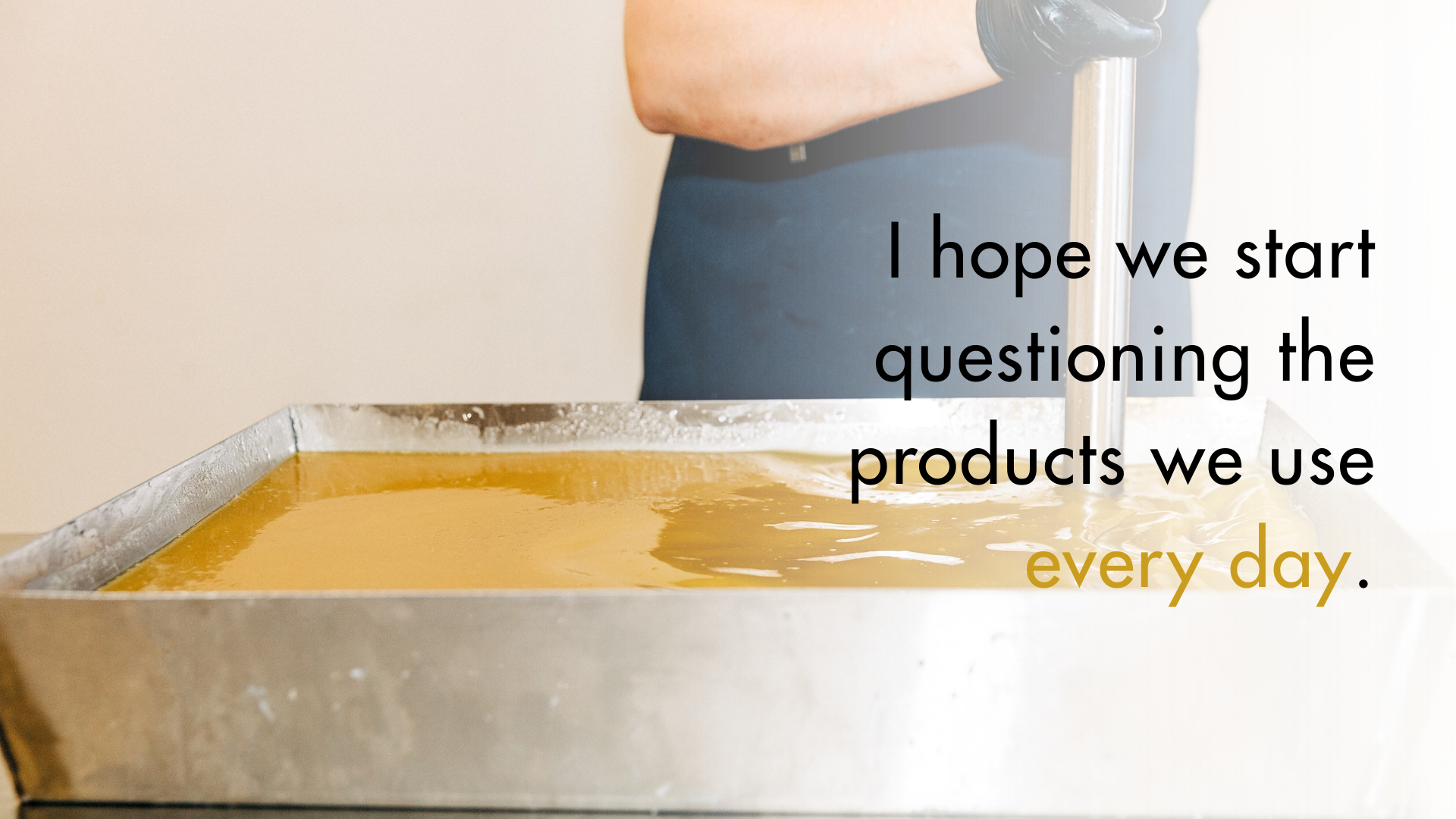
I hope we start questioning the products we use every day.
Because when you really think about it, it’s strange. Thousands of years of human history. Knowledge passed down. Skills refined. And the default answer to washing our bodies has become water and detergent in plastic bottles.
That’s where we landed?
We’ve accepted it so completely that it barely registers. Plastic bottles under every sink. In every shower. Replaced, refilled, thrown away. Again and again. It’s normal now — but normal doesn’t mean inevitable.
My hope is that we start asking why this is the way it is — and whether it actually serves us and our planet the best.
My second hope is that we start caring more about where things come from.
Not just where they’re shipped from. But where they’re made. Who made them. What decisions were taken along the way. What was prioritised — speed, cost, scale — and what was quietly set aside.
Products aren’t just finished objects. They’re the end of a long chain of choices. They carry the fingerprints of the people who made them, even if we’re trained not to notice.
Standing in the factory this week, that felt very real. Soap doesn’t come from a warehouse. It comes from time and temperature, ingredients and experience. From choosing to do things carefully when faster would be easier. From people who care enough to get it right — again and again.
And here’s what’s encouraged me most as we step into this year.
I’m seeing more new soap lovers who understand that.
People who see past the price and recognise quality. Who understand that something made well behaves differently — on the skin, in the home, over time. That it doesn’t need to shout. That it lasts longer. That it’s worth questioning the default.
That shift matters.
It tells me people are tired of disposable everything. Tired of being told convenience is always king. Tired of products designed to be used up quickly and replaced without thought.
So if I had to name my wishes for 2026, they’d be simple ones:
- That we ask better questions.
- That we slow down just enough to notice what we’re using.
- That we remember products have a story — and choosing them is never neutral.
As for me, I’ll keep showing up to the factory. I’ll keep making soap. I’ll keep choosing work that involves hands, care, and intention — even when the world tells us there’s a faster way.
Because maybe “wastin’ your days” isn’t about where you work at all.
Maybe it’s about forgetting to ask why.
Soapy hugs,
Emma xx