Clean Up Australia Day — And The Story We’ve Been Told About Plastic
Tomorrow is Clean Up Australia Day...
Across the country, people are filling bags with bottles, wrappers, fragments of packaging that once held something convenient.
And every year we frame it the same way:
- Plastic is a waste problem.
- Too much of it.
- Not enough recycling.
- Consumers need to do better.
But after reading an investigation in The Guardian recently, Titled "They pushed so many lies about recycling’: the fight to stop big oil pumping billions more into plastics", I realised something that genuinely shifted my thinking.
Plastic isn’t primarily a waste story.
It’s a production story.
The article laid out how fossil fuel companies — facing a future where demand for petrol and diesel may decline — have poured billions into expanding plastic production. Plastic is, after all, made from fossil fuels. If we burn less oil in our cars, they can still sell it to us as packaging, bottles, synthetic fibres.
And while publicly supporting recycling campaigns, the industry has known for decades that most plastic is not economically or technically recyclable at scale.
Read that again.
We were taught that if we rinsed our yoghurt tubs and sorted our bins properly, the system would work!
But the system was never designed to cope with ever-increasing production. This is why currently only 13% of plastic is actually recycled in this country.
Recycling became the reassuring narrative.
The little triangle symbol.
The quiet shifting of responsibility onto households.
Meanwhile, production expanded.
After writing about DuPont and PFAS last week — about internal research, delayed accountability and profit incentives — I couldn’t ignore the similarity.
- Internal knowledge.
- Public reassurance.
- Delay.
- Profit.
This isn’t about demonising individuals. It’s about incentives. If your business model depends on selling more plastic, you do not design a system that dramatically reduces plastic.
You design a system that manages perception.
And so Clean Up Australia Day becomes both inspiring and slightly tragic.
Inspiring - because people care enough to show up.
Tragic - because volunteers are cleaning up the visible outcome of a system that continues upstream, largely unchanged.
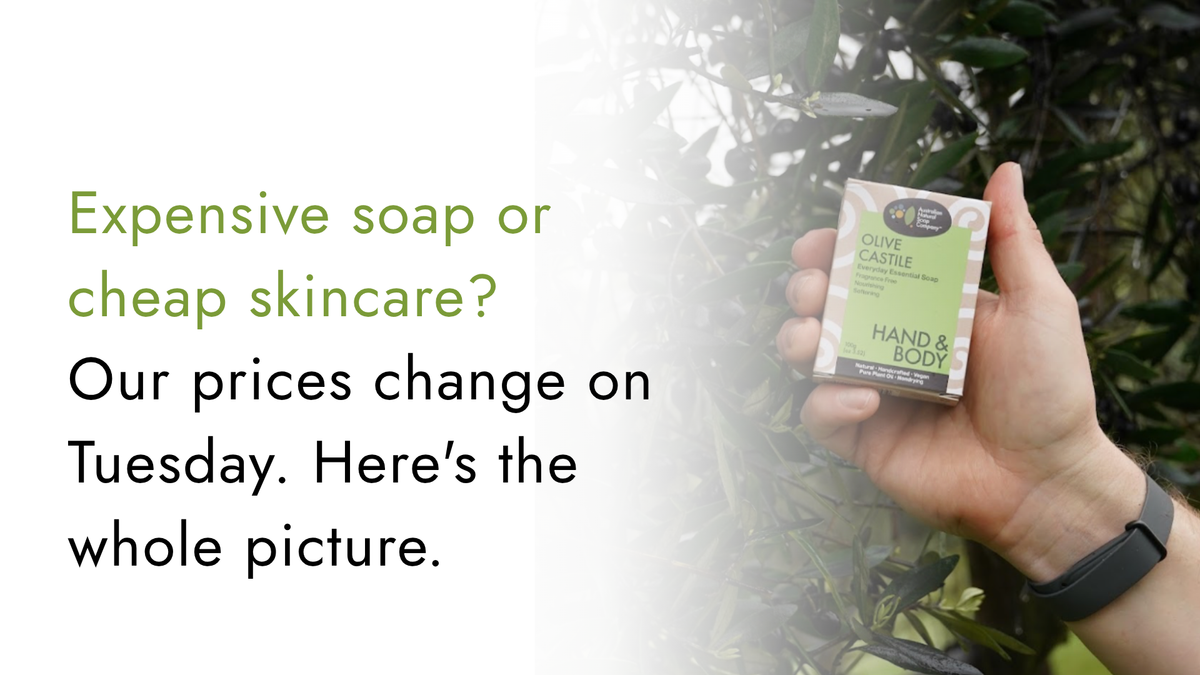
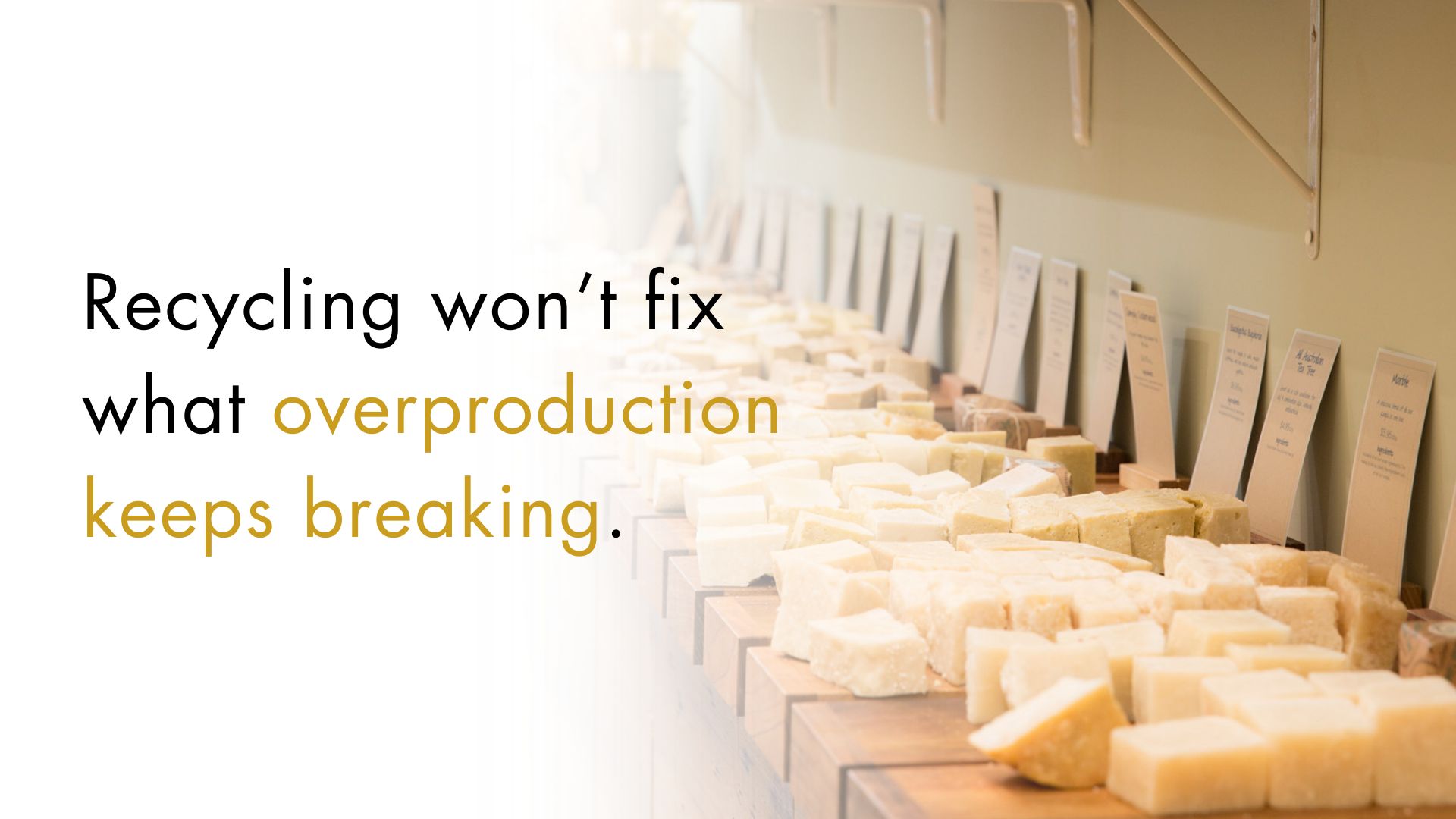
For us, choosing solid soap and glass bottles over plastic pumps wasn’t a trend. It was a refusal to participate in that cycle where we could avoid it.
We source our cardboard from a local Australian supplier. It’s fully recyclable. It’s home compostable. It breaks down. It doesn’t persist for centuries.
Shouldn’t we be supporting industries building materials like that?
Shouldn’t we be directing our money toward businesses reducing waste before it exists?
Right now, we’re running 30–50% off selected bundles.
Not because it’s Clean Up Australia Day and we need a hook.
But because this is the point.
If we want the beaches to be cleaner next year, production has to change. Purchasing has to change. Systems have to change.
Cleaning up matters.
But turning down the tap matters more.
Soapy hugs,
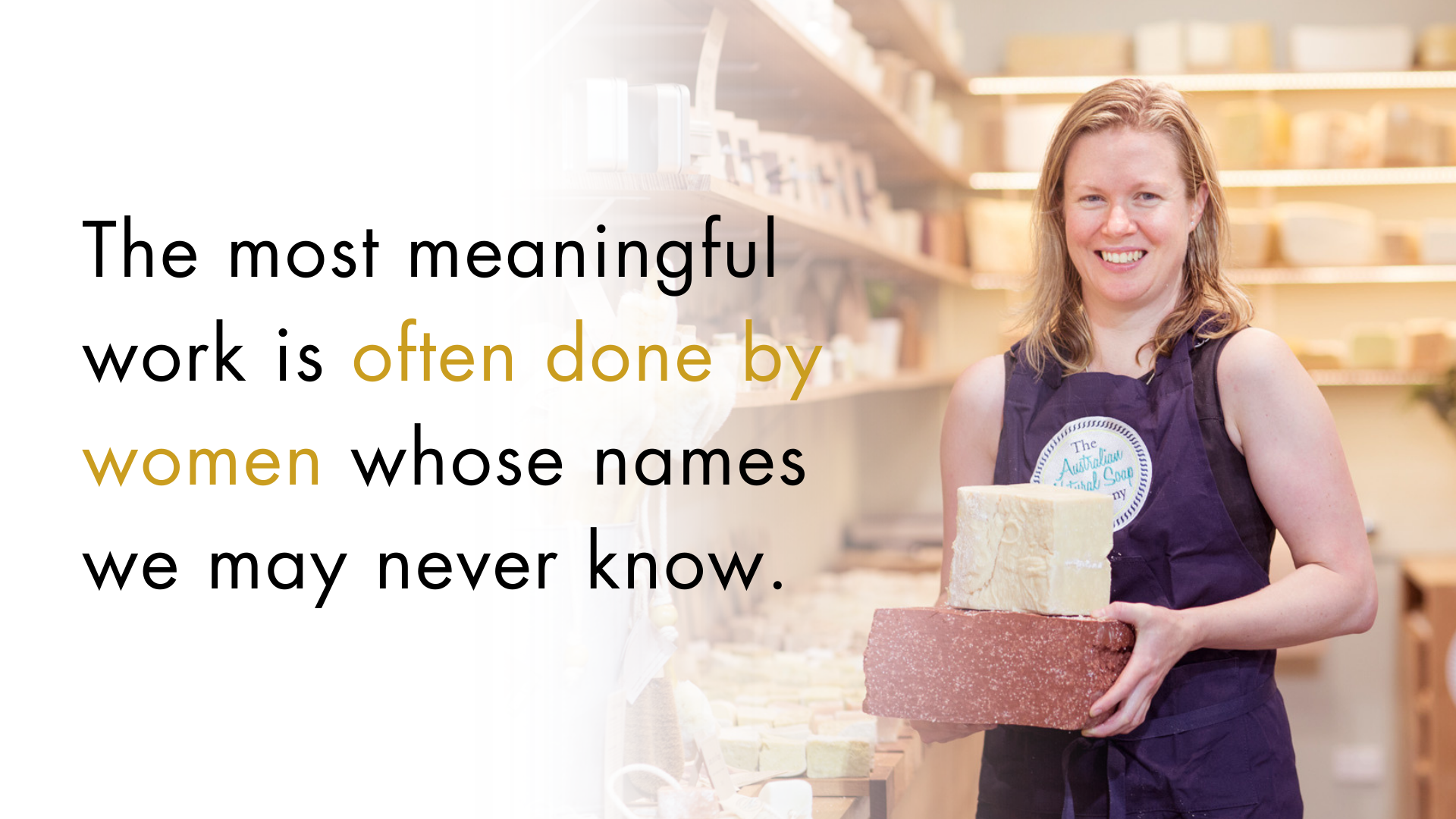
Emma xx