Hidden Plastics Are Everywhere (And I Had No Idea Either)
When someone says "plastic pollution," what pops into your head?
For me, it used to be water bottles, takeaway coffee cups and supermarket bags.
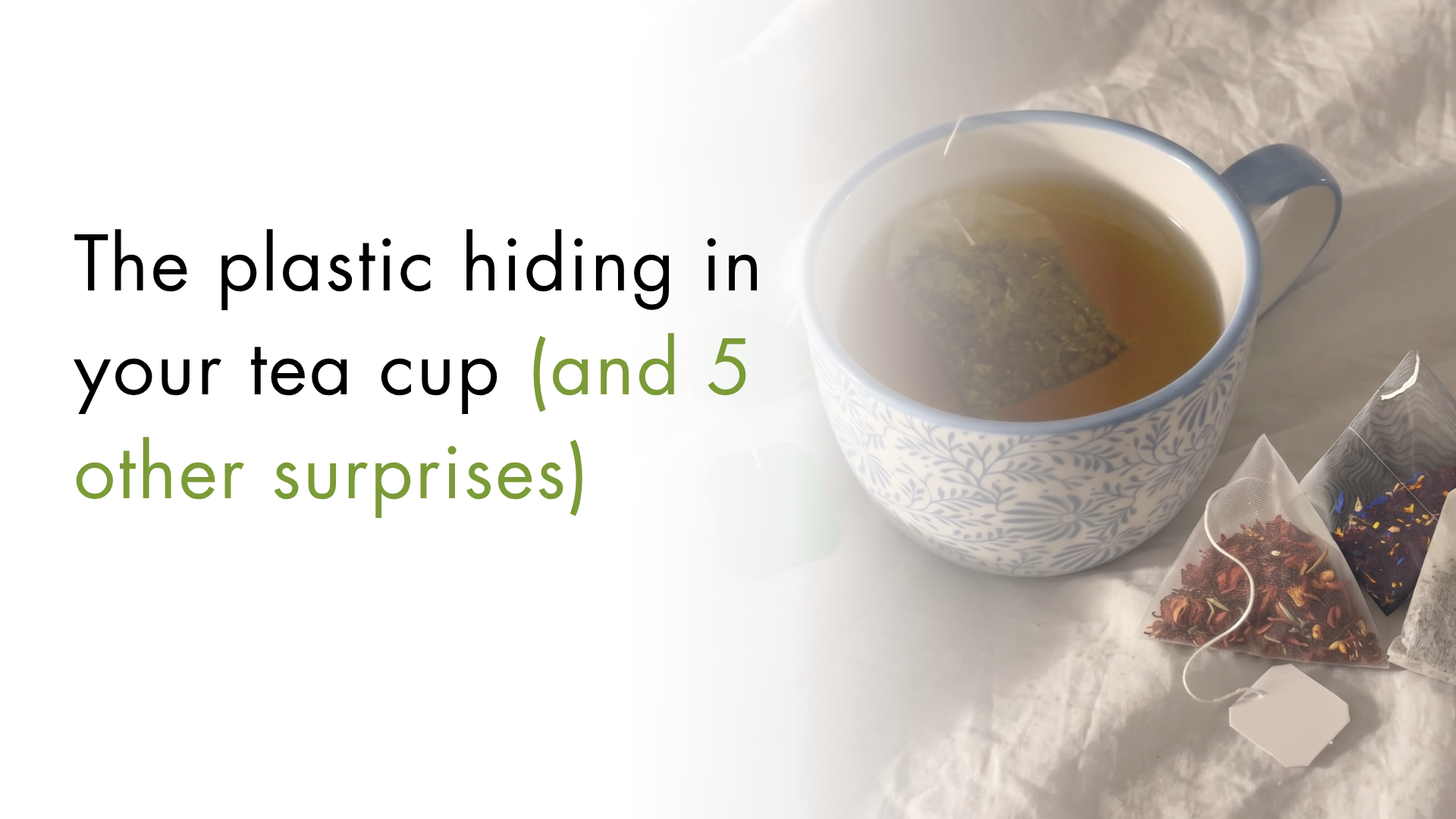
Then I found out that some tea bags can actually contain plastic.
Yep... the thing we drop into hot water every morning.
That discovery sent me down a bit of a rabbit hole. I started looking around my own home wondering, where else is plastic hiding?
Turns out, in more places than I ever expected.
If you've been thinking about joining Plastic Free July but aren't sure where to start, this might surprise you.
What is Plastic Free July?
Plastic Free July started right here in Australia back in 2011 and has since grown into a global movement. Today, millions of people across more than 190 countries take part by making small changes to reduce single-use plastic in their everyday lives.
I think that's what I like most about it.
It's not about throwing out everything you own or trying to live a perfectly zero-waste lifestyle.
It's simply about noticing the little habits we barely think about and asking, "Is there another way I could do this?"
One swap might not seem like much.
But when millions of people make one swap? That's where things start adding up.
Hidden plastics you probably have at home
Some plastics are obvious.
Others are hiding in products we'd never think twice about.
Tea bags
This one genuinely surprised me.
While many tea bags are made mostly from paper, some use plastic such as polypropylene or nylon to help seal the bag or keep its shape. Recent research has shown that certain plastic-containing tea bags can release microplastics and nanoplastics when brewed in hot water.
Not every tea bag contains plastic, but it's worth checking if your favourite brand has switched to plastic-free bags.
Or, if you're already a loose-leaf tea fan, you're one step ahead.
Wet wipes
Despite feeling soft like paper or cotton, many wet wipes are actually made with plastic fibres.
That includes everything from makeup wipes to cleaning wipes and even some bathroom wipes.
Because they're made with synthetic materials, they don't break down as quickly as many people assume, even if the packaging uses words like "flushable."
Your favourite jumper
This one made me look at my wardrobe a little differently.
Clothing made from polyester, nylon or acrylic is essentially made from plastic.
Every time these fabrics are washed, tiny fibres can shed into wastewater. They're so small they're known as microplastics, and many eventually make their way into rivers and oceans.
That doesn't mean you need to throw out every synthetic item you own.
It simply means washing clothes less often when possible, using full loads, or considering more natural fibres when it's time to replace something.
Dish sponges
That bright yellow kitchen sponge?
There's a good chance it's made from plastic foam.
They're inexpensive and convenient, but they wear down over time and eventually end up in landfill.
Natural alternatives made from cellulose, coconut fibre or loofah can do the same job while using fewer synthetic materials.
Glitter
I know... this one hurt a little.
Traditional glitter is usually tiny pieces of plastic coated with shiny metallic colours.
It looks harmless on a birthday card or festival makeup, but those tiny pieces can eventually end up in waterways.
Thankfully, biodegradable glitter is becoming much easier to find if you still love a bit of sparkle.
Beauty products
Plastic isn't always in the packaging.
Sometimes it's actually inside the product.
Certain cosmetics and personal care products contain plastic ingredients that help with texture, shine or consistency. Tiny plastic particles and glitter can wash straight down the drain after use. Many countries have restricted plastic microbeads in rinse-off products, but other plastic polymers are still found across some personal care items.
Reading ingredient labels isn't everyone's idea of fun (definitely not mine), but once you know what to look for, you start noticing them more often.
Why does any of this matter?
You've probably heard the word microplastics a lot lately.
They're simply tiny pieces of plastic, generally smaller than five millimetres.
Some are intentionally manufactured for products, while others form as larger plastics slowly break down over time.
Because they're so small, they can be incredibly difficult to remove from the environment.
They've been found in rivers, oceans, beaches and even remote places where you'd never expect plastic to reach. Wildlife can mistake them for food, and once they're out there, they don't simply disappear.
Scientists are still learning about what microplastics might mean for human health, so there's no need to panic.
For me, it comes back to something much simpler.
If there are easy ways to reduce unnecessary plastic in my daily routine, why not give them a go?
Small swaps that actually feel doable
One thing I've learnt is that sustainable living doesn't happen all at once.
It usually starts with one tiny habit.
Here are a few easy swaps you could try this Plastic Free July:
- Switch from plastic-containing tea bags to loose-leaf tea or plastic-free tea bags.
- Use reusable cleaning cloths instead of disposable wipes.
- Choose natural-fibre dish brushes or cellulose sponges.
- Wash synthetic clothing only when needed and consider natural fibres for future purchases.
- Skip traditional glitter and choose biodegradable alternatives.
- Look for personal care products with fewer plastic ingredients where possible.
- Carry a reusable shopping bag or water bottle if you don't already.
You definitely don't need to do all of them.
Even choosing just one is still progress.
One small change is enough
Before I started reading about hidden plastics, I honestly thought reducing plastic mostly meant remembering my reusable shopping bags.
Now I realise there are so many little choices we make every day that can have an impact.
This Plastic Free July, maybe it's swapping your tea bags.
Maybe it's replacing your kitchen sponge when it wears out.
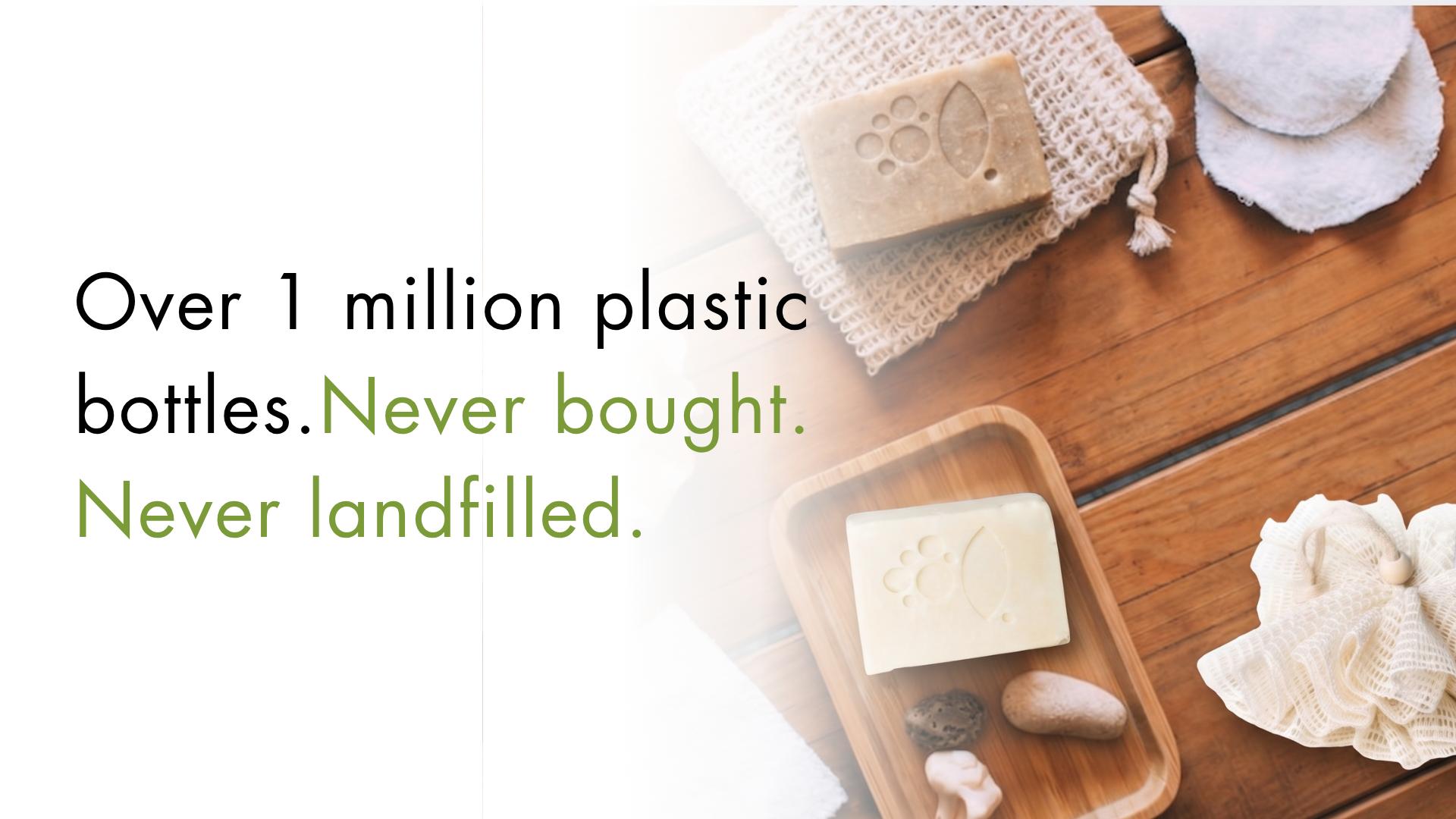
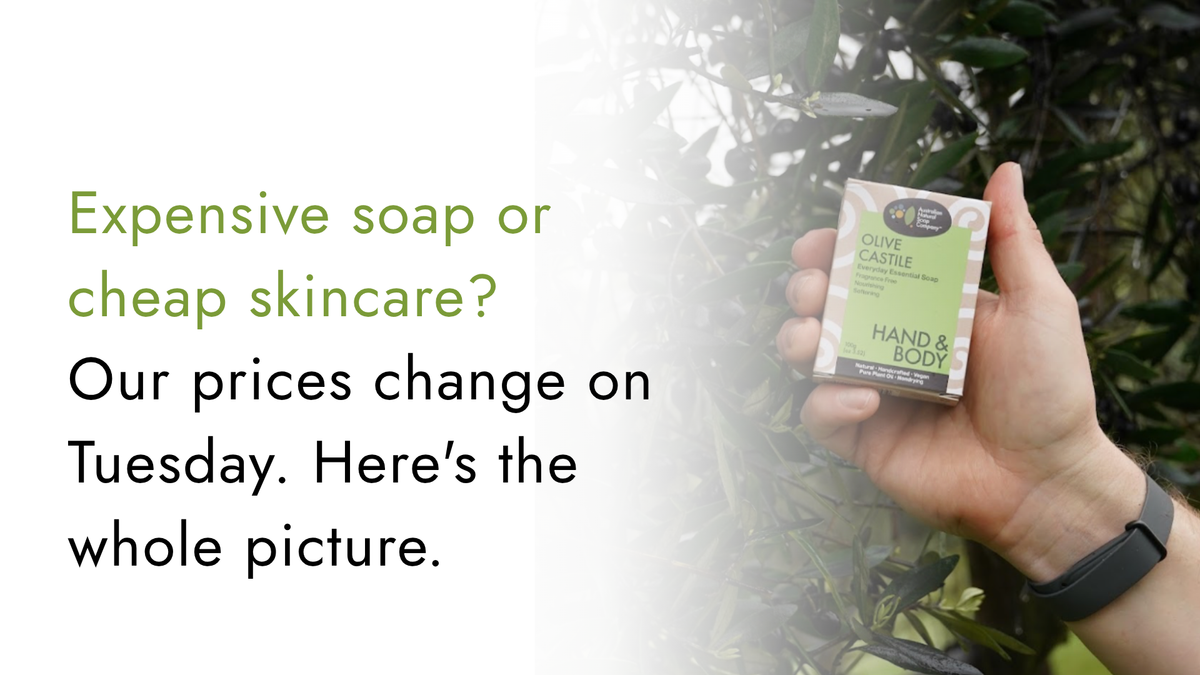
Or maybe it's trying a soap bar instead of another plastic bottle when your current one runs out. At Australian Natural Soap Company, that's one of the simplest changes we encourage because it fits into a routine you're already doing anyway.
None of us is going to get it perfect.
And I don't think that's the point.
The goal isn't perfection.
It's simply noticing the hidden plastics around us and making one or two better choices where we can.
My Takeaway
Plastic Free July isn't about changing your whole life overnight.
It's about discovering the hidden plastics you never realised were there, making a couple of sustainable swaps, and seeing how easy plastic-free living can actually be.
You might be surprised by how quickly those little changes become everyday habits.
Soapy hugs,
Isabella, ANSC Team